Is simple clean energy financing on PACE for a comeback?

By Andrea Luecke, Executive Director, The Solar Foundation

February 3, 2012 

In a time characterized by a lack of support for federal clean energy legislation, heavy Congressional scrutiny over renewable energy loan guarantees, and an international solar trade dispute that holds as many as 60,000 American jobs in the balance, it may be difficult for some to maintain a sunny disposition regarding the state of the domestic clean energy economy. However, a U.S. District Court ruling from last fall has breathed new life into a powerful financing program that has been in limbo for the last year and a half. Property Assessed Clean Energy (PACE) programs, through which homeowners can finance renewable energy or energy efficiency upgrades through a special property tax assessment, were effectively suspended in a July 2010 letter by the Federal Housing Finance Agency (FHFA), based on the agency’s perception that PACE assessments “pose unusual and difficult risk management challenges for lenders, servicers, and mortgage securities investors.” The District Court ruling, however, found that the FHFA’s actions were subject to notice and comment rulemaking, a process the agency neglected to undertake when it put the brakes on PACE. The required rulemaking process is currently underway, and interested parties have until March 26, 2012 to share their thoughts on program’s environmental and economic benefits. 

Since 2008, legislation enabling local governments to develop PACE programs has been adopted in 27 states and the District of Columbia. What’s so great about PACE and why is it so important?

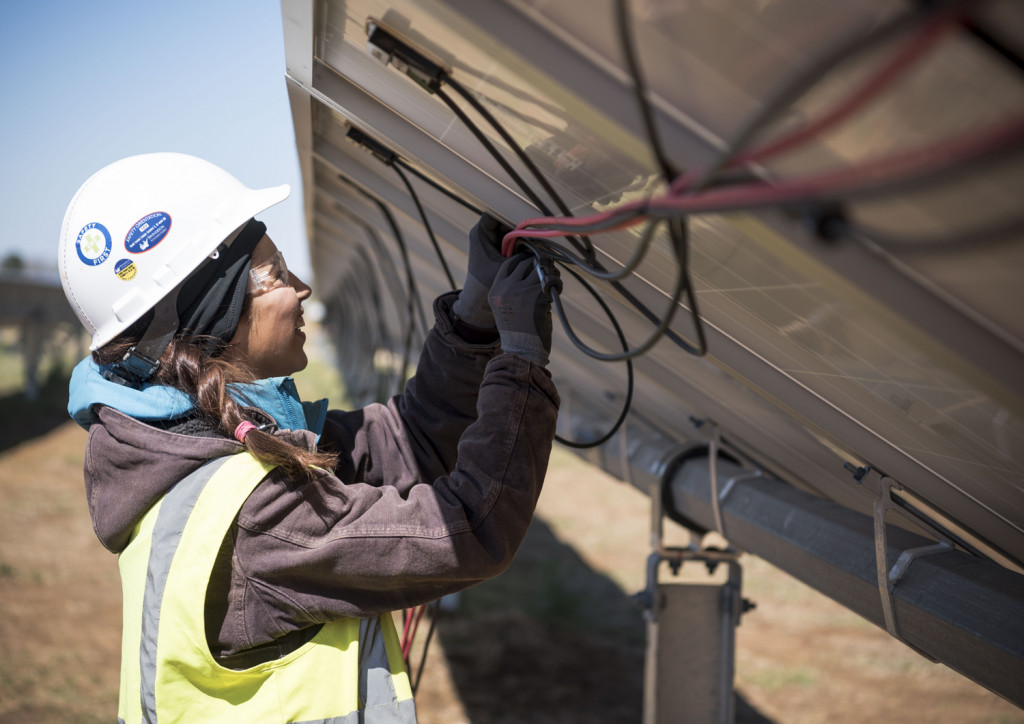
 PACE programs allow for local governments to leverage their existing bond issuing authority to allow homeowners to finance clean energy upgrades to their property. Homeowners pay for these improvements through a special assessment added to their property tax bills.

 PACE financing is not a loan. These special assessments are the same mechanism by which local governments have financed other projects delivering public benefits – such as sewer and utility lines, street and traffic lights, and parks, just to name a few – for over a century.

 Programs structured to ensure energy savings exceed the cost of improvements can actually reduce mortgage risk by providing homeowners with extra money (as much as $450 per year) that can be put towards mortgage payments.

 PACE programs also have a positive impact on direct local employment, creating an average of one job for every 14-18 homes upgraded.

 PACE improvements also produce significant environmental benefits. Data from the Energy Information Administration and the US Census Bureau indicate that annual residential CO2 emissions per household average less than 11 metric tons. Solar electric systems and residential energy efficiency measures can reduce these emissions by as much as 27%. By reducing demand for fossil fuels, upgrades financed through PACE will reduce emissions of other air pollutants, such as particulate matter, mercury, and sulfur dioxide.